SCR-296-A
SCR-296-A - A short-range Surface Craft Detection Radar Set - A surface craft detection Radar set built by the Western Electric Company to detect and track seagoing surface craft. Use by the Coast Artillery to provide target range and azimuth data to World War II gun batteries with 6" and larger guns.
-
 SCR-296-A Radar Set Antenna. (1) Reflector, (2) Lobe-switching mechanism, (3) Antenna, (4) Pedestal.
 -
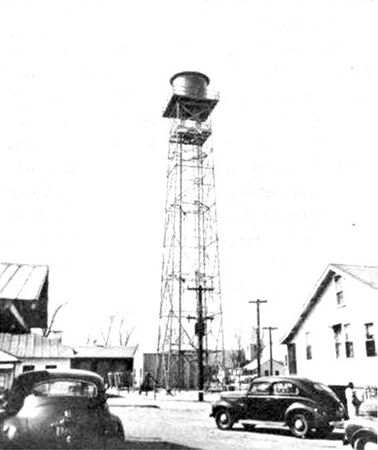 SCR-296-A Radar Set in Charleston HD. Note the Wooden Antenna Housing Disguised as a Water Tank on Top of the Tower.
 -
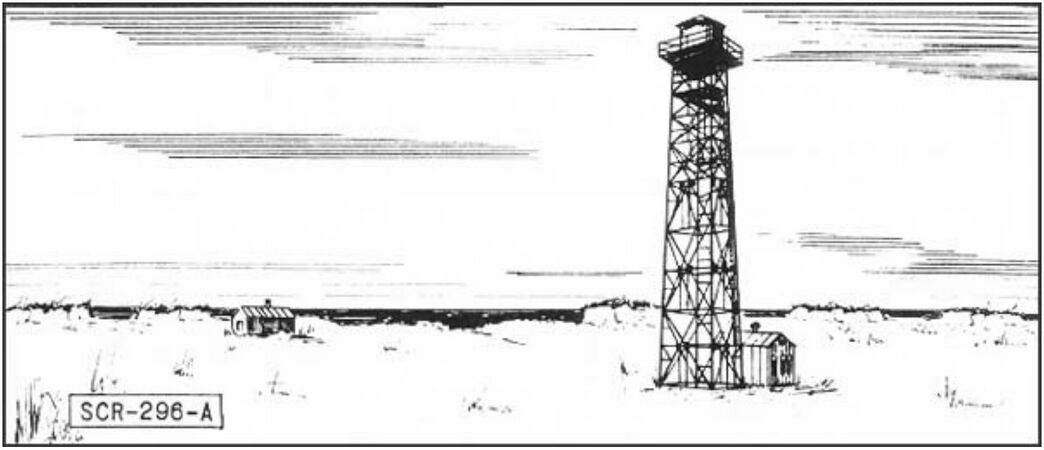 SCR-296-A Site Layout Drawing.


SCR-296 Surface Craft Detection Radar
Development of the SCR-296 began in 1941 when the Signal Corps Lab obtained a set from Western Electric Company and enhanced the target tracking ability with a lobe-switching modification. The modified set was designated the SCR-296-A. The Coast Artillery tested it and ordered 20 sets before the attack on Pearl Harbor. After the attack, concern for the safety of harbors and anchorages increased and the Coast Artillery looked to the SCR-296-A radar to provide a surface craft detection radar set for existing 6" and larger gun batteries then protecting all the major U.S. harbors. These harbor defenses were largely outdated and relied upon a complex network of optical spotting stations to provide target data. Advances in ship armament had produced weapons that were capable of offshore bombardment beyond the range of the existing batteries and spotting stations, especially during marginal weather. The SCR-296-A would provide an all-weather target tracking capability near the maximum range of the shore batteries.
The first SCR-296-A was delivered in April 1942, the second in July 1942. The Coast Artillery then had 176 sets on order for delivery before the middle of 1943. This capability coincided with the construction of the new 200 series 6" gun batteries at every significant harbor defense and 100 series 16" gun batteries at selected harbors.
The SCR-296-A Radar equipment was declared obsolete by AG letter on 17 Jan 1946. The tower and radar equipment were to be disposed of while the buildings were to be retained.
|


